
AI-NAV · Article
Top 6 AI Comic-Drama Platforms Right Now (With New-User Free Credits)

AI comic-drama production moved from "drop your art into a template" to "one prompt to a finished episode" in about two years, and the tooling underneath it keeps changing. The question I get asked most is simply: *which platform should I use?* Below are six of the most-used platforms right now, what each one is actually good at, who it fits, and how much free credit a new account gets so you can test everything before spending anything.
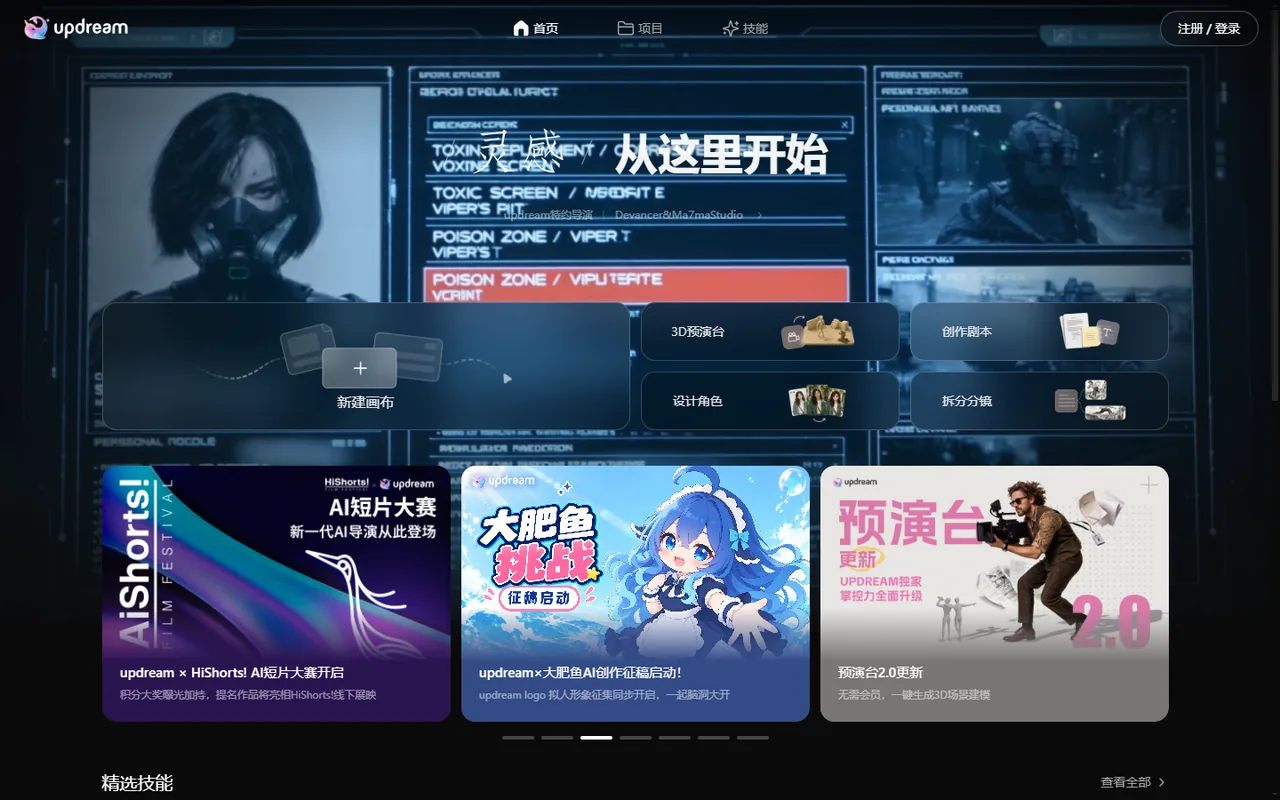
1. updream — a director's workflow, packaged as a product
updream takes a different route from most tools: instead of handing you an empty prompt box, it lays out the whole pipeline — canvas → script → character design → storyboard → 3D previz — with a matching skill for each step, and it protects character consistency by locking the look before you generate anything. Its skill library covers scriptwriting, art style, character setup, storyboarding and video generation, so you don't have to assemble your own prompts. Free tier: 1,000 credits on signup, metered rather than subscription-based — enough to run "lock the look → prompt → generate → revise" end to end. Good fit for solo creators and small teams planning a series.
Official entry: updream (AI video creation assistant)
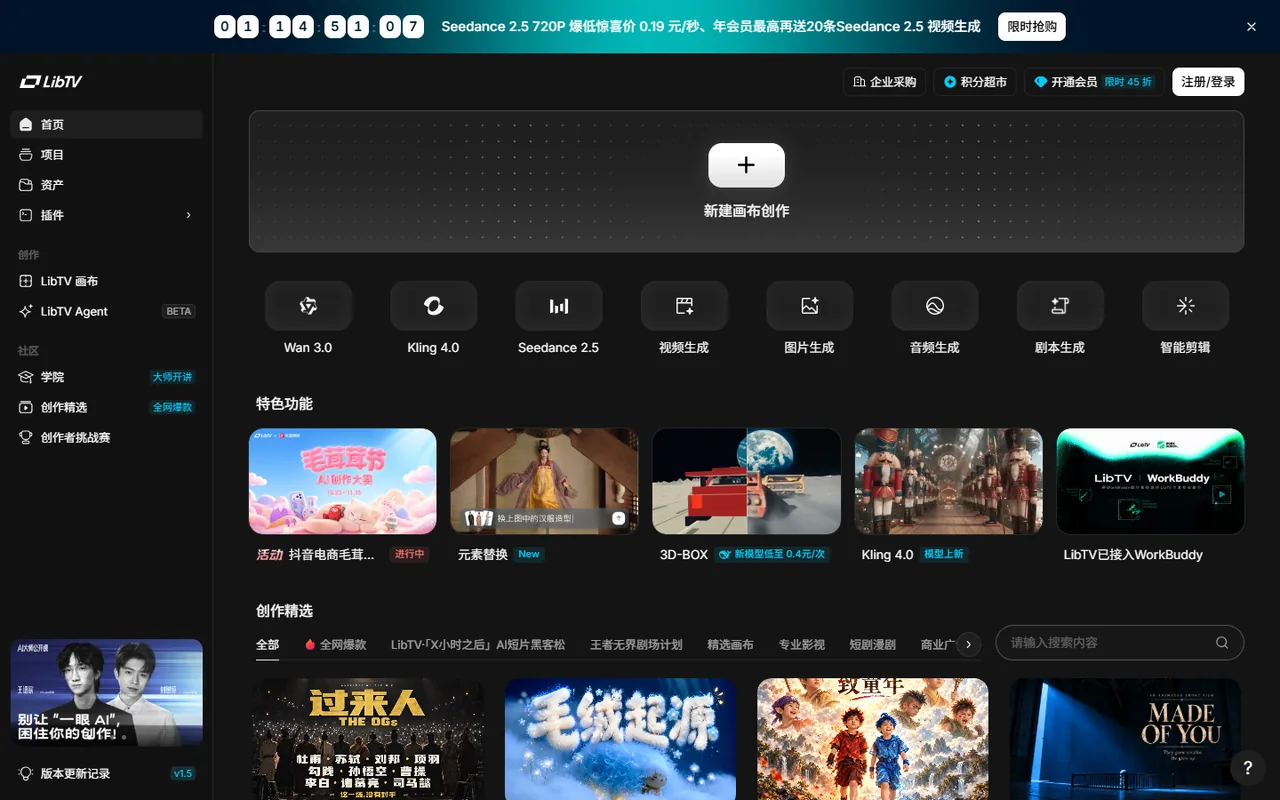
2. LibTV — one-stop creation from the LiblibAI team
LibTV comes from LiblibAI and drew a lot of attention at launch, with Tencent among its investors. Its signature feature is an infinite canvas with node-based workflows: script, storyboard, video and audio all sit on one canvas you arrange freely. The model lineup is the other strength — Wan 3.0, Kling 4.0, Seedance 2.5 and others are aggregated in one place, so you never tab-hop. It also ships two entry points: a graphical UI for humans and a Skill interface so agents can call the same capabilities. Free tier: a trial balance on registration, enough for one script-to-final pass; usage is credit-based and there are frequent promotions.
Official entry: LibTV
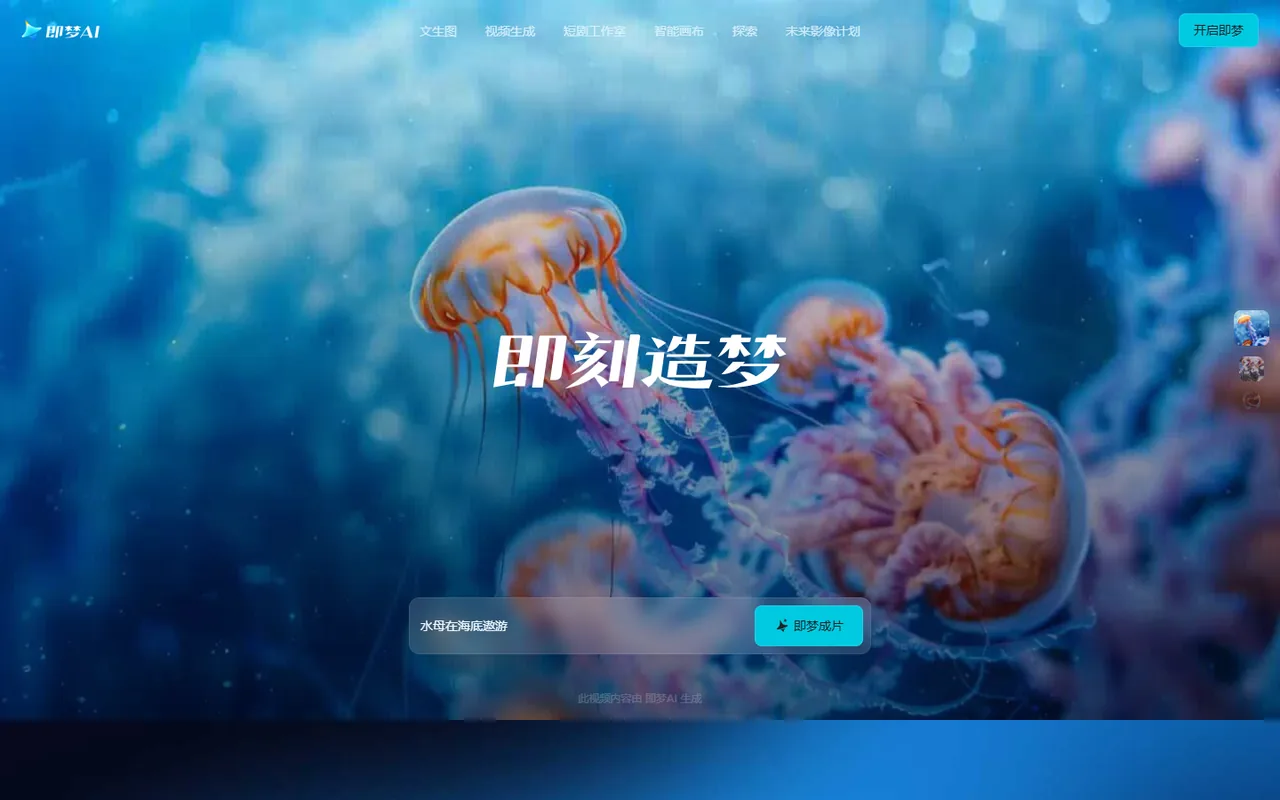
3. Jimeng AI — ByteDance's stack, strong on short-drama workflows
Jimeng AI is ByteDance's creation platform and a regular fixture in comic-drama circles, built on the Seedance model family. Its drama studio wires script, characters, storyboard and final cut together; image-to-video and character consistency are both stable, and it plays well with CapCut and Doubao. Free tier: daily login credits (they expire at day end, so use them the same day), plus free 4K image generation on Image 4.0 for members for a limited period.
Official entry: Jimeng AI
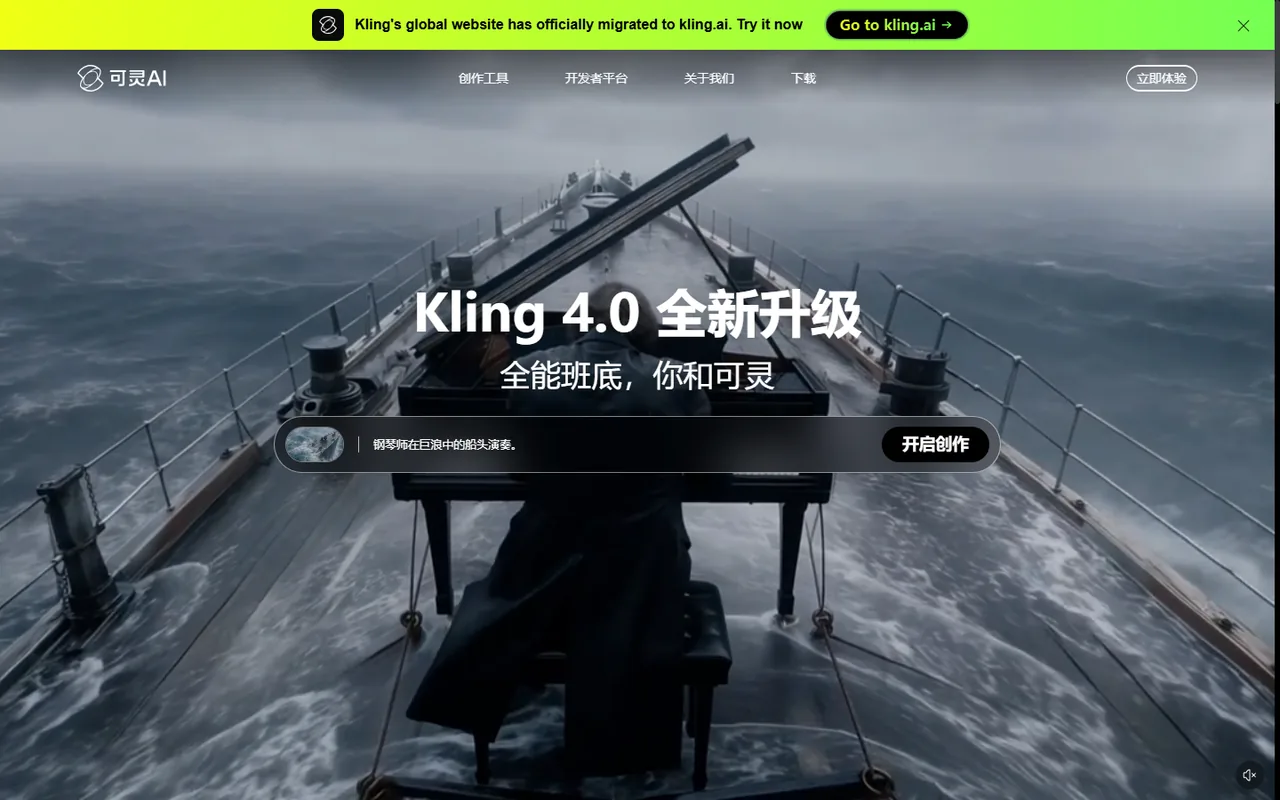
4. Kling AI — Kuaishou's camera-aware generator
Kling AI is Kuaishou's video platform; the Kling models have reached 4.0 and hold a solid reputation for comic drama. Image-to-video plus subject reference keeps characters stable through camera movement, and lip-sync is reliable enough for dialogue scenes. Free tier: 1,000 inspiration points on signup, then 66 per daily login (they clear at midnight and don't roll over) — roughly one shot per day for free.
Official entry: Kling AI
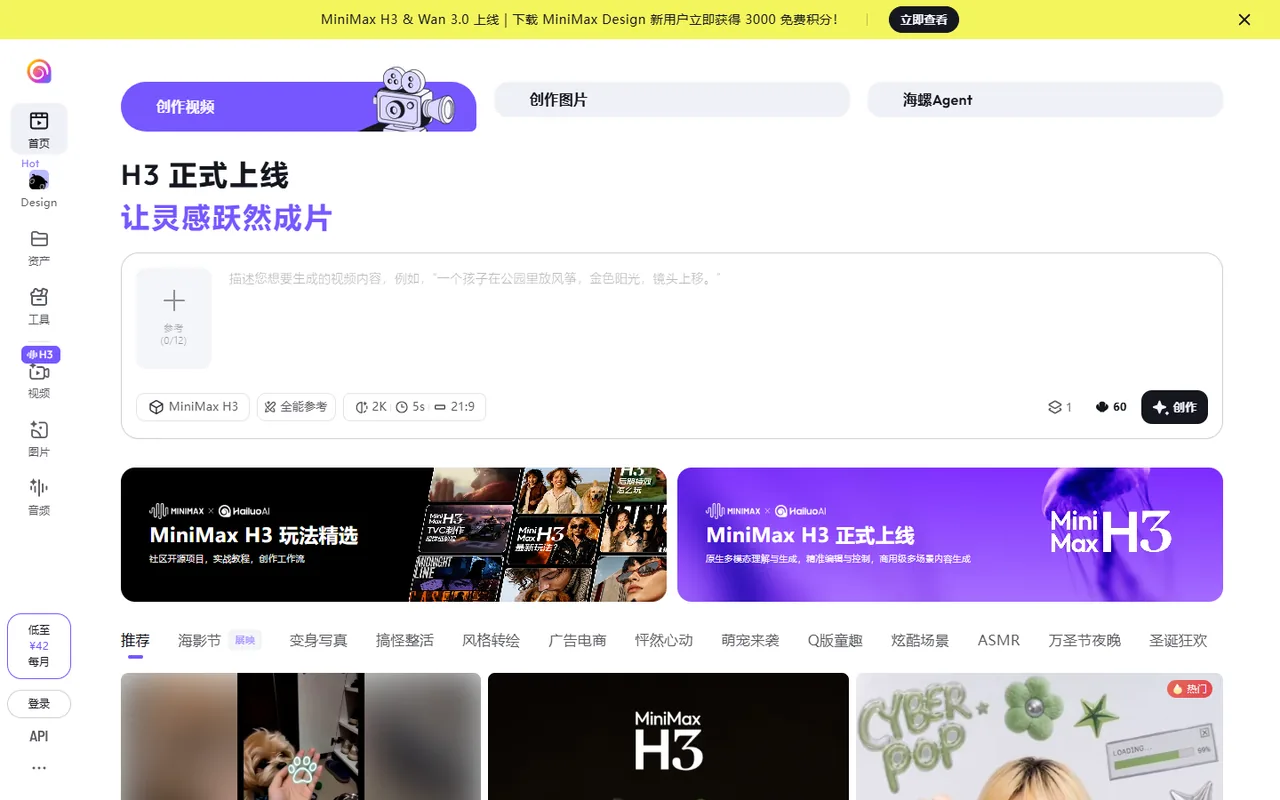
5. Hailuo AI — MiniMax, cheap to experiment with
Hailuo AI ships MiniMax's video models, which iterate fast; the new H3 brings visible gains in camera work and texture. A free allowance makes it a natural fit for rough validation — run a few clips to check direction and pacing, then polish elsewhere. Free tier: currently the most generous of the six — 3,000 free credits on registration, with discounted membership plans.
Official entry: Hailuo AI
6. Vidu — reference-to-video, from ShengShu
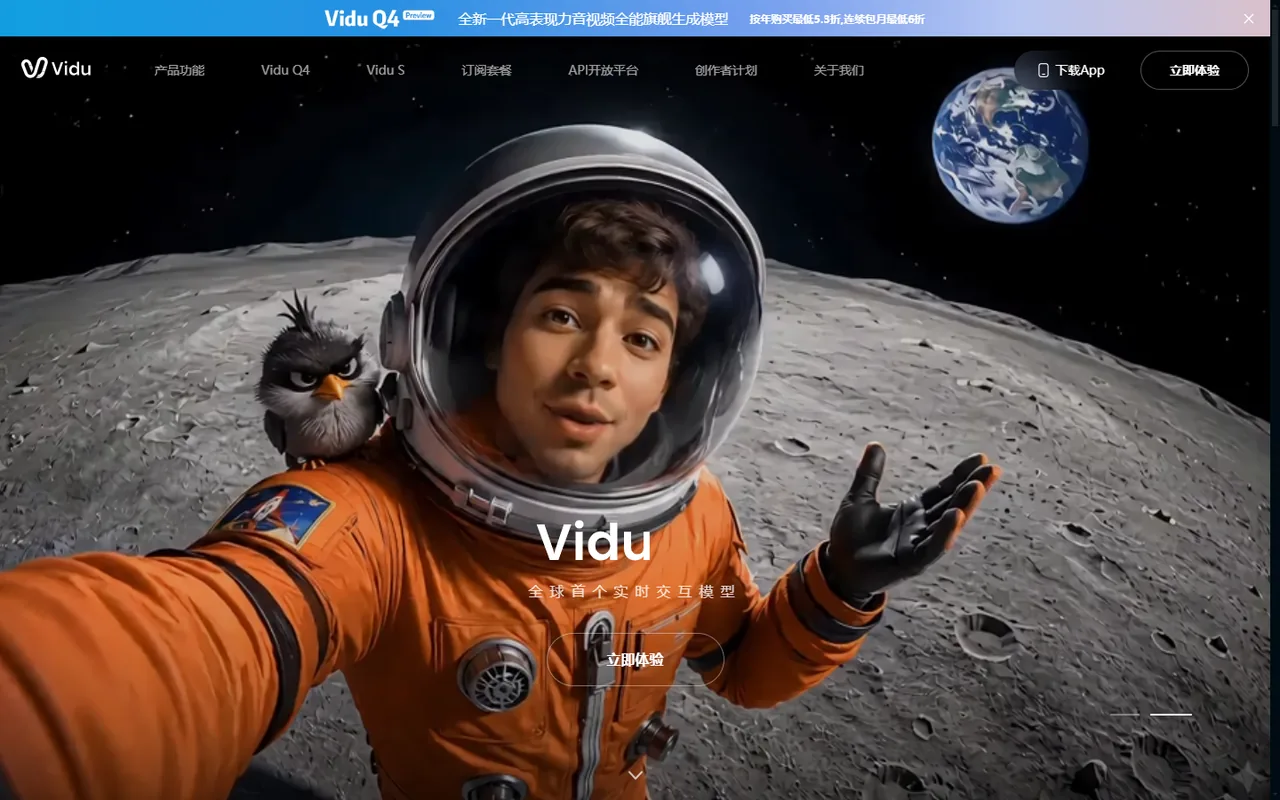
Vidu comes from ShengShu Technology, one of the earlier players in video generation, now on its Q4 flagship model. Its reference-to-video mode is well balanced: feed it a few reference images and it keeps the subject consistent across clips — handy for practising storyboards on a budget. Free tier: starter credits on registration plus daily check-in bonuses, with low per-generation cost; annual plans are discounted.
Official entry: Vidu
How to choose
In one line: pick updream when you want a full director pipeline and a recurring series; pick LibTV for canvas-style freedom and multiple models in one place; pick Jimeng if you live in the ByteDance ecosystem; pick Kling for camera work and lip-sync; start with Hailuo or Vidu when the budget is the constraint.
There is no universally strongest tool — match it to your stage and subject. One caveat: every platform's newcomer quota and promotions change, so trust what your own account shows at signup, and claim the credits early even if you won't use them right away.